


At the beginning of the New Year, California was experiencing a plush $21-billion surplus. Optimism and enthusiasm filled Sacramento as policy leaders worked to build a state budget that reflected a future-forward vision. Fast-forward to today, just four months later a global pandemic has created the largest budget deficit in California’s history – a massive $54.3 billion.
For state parks, the May Revise that was released by the Governor reflected what is too often the case: that in difficult and challenging times, park budgets are first on the chopping block. But cuts of state resources through the budgeting process is only a partial picture of how state parks are funded. Nearly all funding sources for the system have been greatly jeopardized and the impact of this will be far reaching and long lasting.
As the state works to conduct business and pass a budget by the constitutional deadline of June 15, everyone is grappling with the toll the health crisis has taken on California’s economy, inducing a recession that will impact nearly every facet of life. The Senate just acted to reject the Governor’s proposed cuts and are crafting a set of recommendations they will work with the Assembly to pass. This is the moment we need to be heard and call on every champion to fight for parks.
During this time of increased stress and uncertainty, we are urging our leaders to listen to the countless Californians who have relied on their parks throughout this crisis – the fact is, the need for access to parks has never been greater and public support for them has never been clearer.
We stand right alongside the Governor in his efforts to support and prioritize Californians impacted by COVID-19, but we are concerned that cutting dollars critical to keeping our existing parks open and accessible to those who need them most, while earmarking funding for a new state park, does not reflect this vision.
Now it is time for leadership to step up and be there for parks so we can weather this storm together.
California’s state parks are the crown jewels of the state and must be preserved and protected for future generations. Our state parks require adequate funding and support to serve Californians and preserve our history, culture, and natural wonders. Marking on-going $30 million in General Fund cuts to next year’s state parks budget will have a crippling effect especially when coupled with massive revenue loss and a jeopardized park partner community.
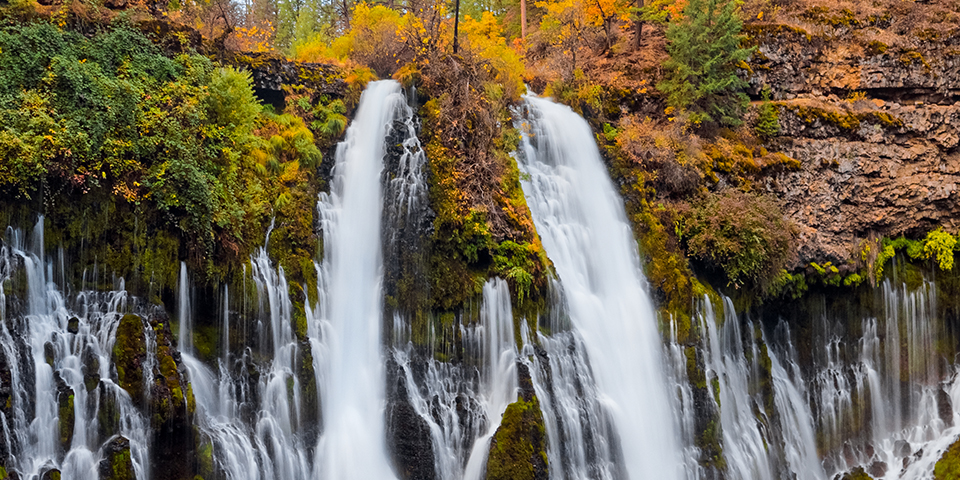
We believe all Californians should have access to the positive impact parks have on health, happiness and quality of life. Funding outdoor equity grants would provide resources for community access opportunities, directly benefiting those families most impacted by COVID-19 and whose lack of access to parks were severely limited by the current crisis.

Now is the time to leverage available Proposition 68 bond dollars as well as any additional funds from bonds to address the long-term needs of the state park system and help support positive visitor experiences in parks. Allocating this funding as soon as possible will allow existing grant programs to stimulate economic activity, while improving parks and natural resources.
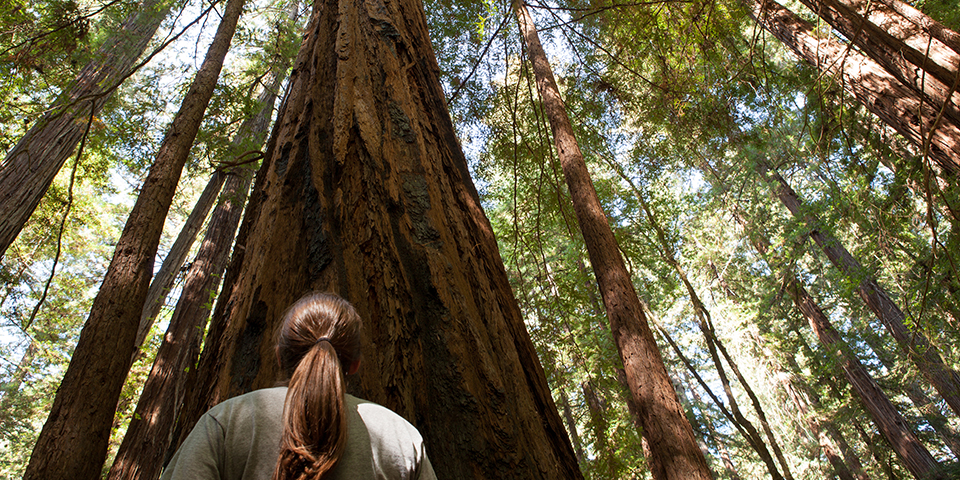
State parks have experienced major revenue loss due to limitation of visitors and parking lot closures. This has resulted in inability to collect concession sales, campaign reservation fees, day-use fees, special events during a time of the pandemic.
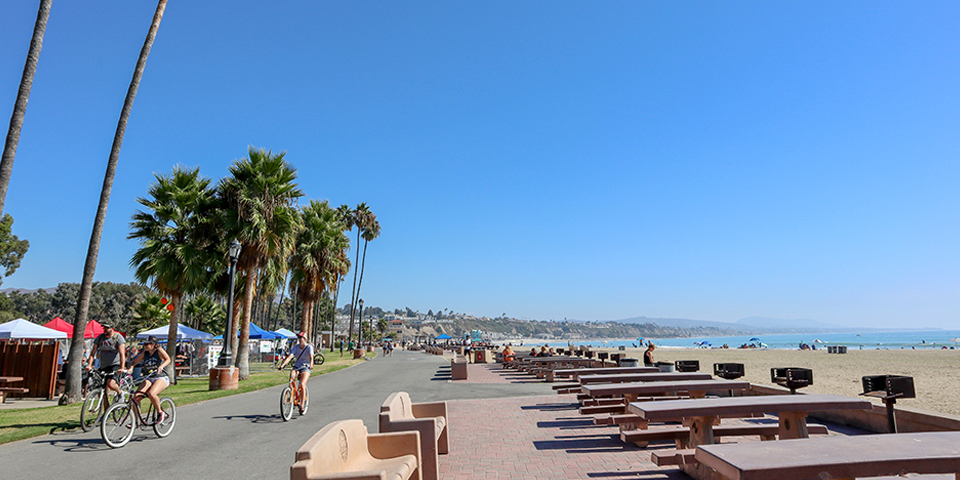
Any Californian who rightfully has a Golden State Advantage card should have any fees for day use park entry waived. This is California’s EBT card for those who qualify and receive the CalFresh food benefit. Any fees associated with park access is deterrent to financially challenged Californians, creating greater limitation for experiencing parks.
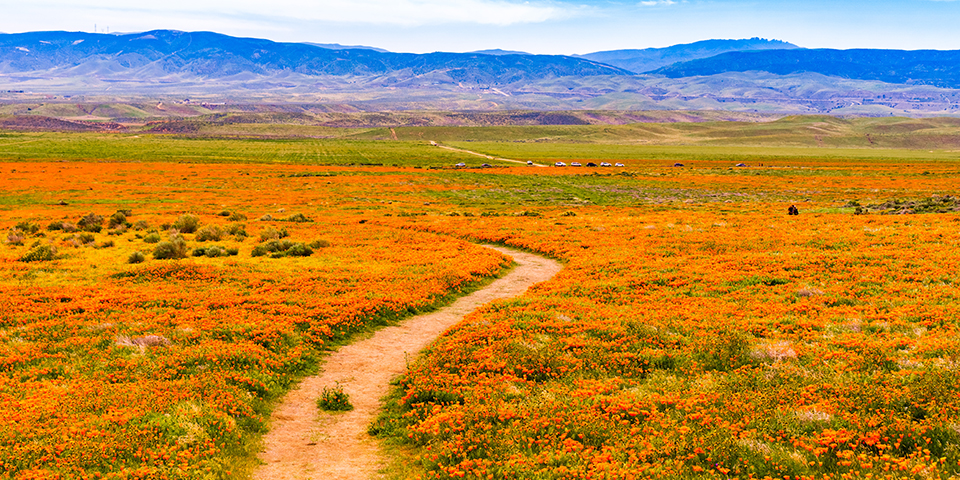
Every Kid Outdoors national program grants every fourth grader a park pass that provides them and their family free access to national parks for one year. Establishing a similar program in California would expand fourth grade students’ access to the many benefits of California’s incredible state park system. We also know from our research with UCLA that 1 million children who live within a walkable, drivable, bikeable distance to a state park (known as the “visitorshed”) lack access to the health benefits our state parks afford. We know Californians need access to the outdoors now more than ever, especially among communities where economic and financial challenges are greater deterrents to park visitation and where residents would otherwise not visit the state park due to fee collection.

Develop new models for recreational opportunities and market park features that will attract new audiences of state park visitors – ultimately generating revenue and sparking local economies. This will drive potential revenue through growth of new visitation, especially if lesser-known parks are marketed to a entice new visitors.
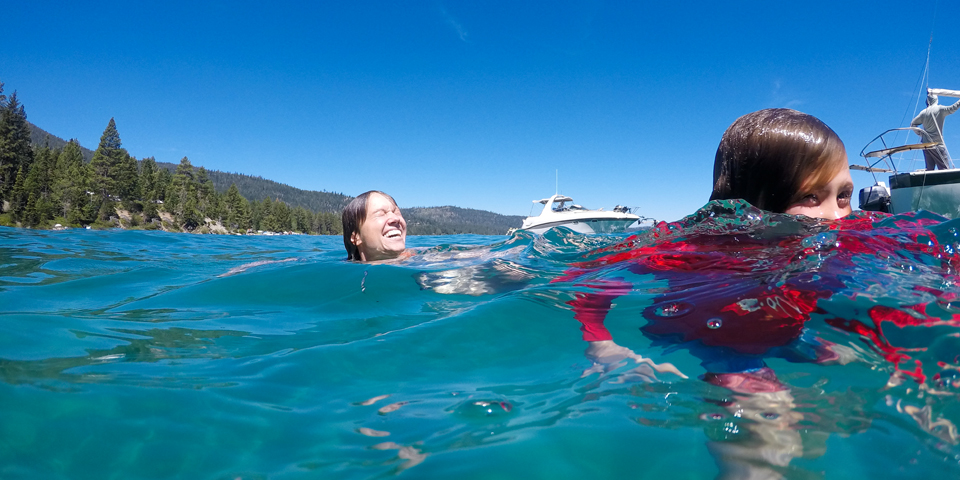
The COVID-19 crisis has rightfully raised many questions surrounding our state budget and while there will be many economic uncertainties ahead, we believe it’s critically important to adequately sustain California’s state park system for the benefit of all.
This is not our first fight for parks, and it will not be our last, but it is a challenge worthy of us all. I hope every park champion far and wide will join us in this fight to keep parks adequately funded and ultimately protected for generations to come. Let’s meet this moment together. The future of parks is depending on it.
Send an email to your legislator and ask them to protect funding for our parks.
Share your support on social media. Encourage friends and family to join you in supporting California state parks. Be sure to tag @calparks on Twitter and Instagram, and California State Parks Foundation on Facebook.
Learn more about Why Parks Matter here.
Your voice and support are crucial for the immediate needs facing our state parks.

