Gaviota State Park: A Coast Worth Protecting

Published: May 1, 2026

Located about 30 miles west of Santa Barbara along Highway 101, Gaviota State Park stretches from a rugged coastline into rolling hills of oak woodland and chaparral. From the sandy cove where Gaviota Creek meets the ocean to the uplands of Gaviota Canyon, the park offers a wide range of landscapes to explore and experience.  

Named by members of the Portolá expedition for the seagulls found along this coast, Gaviota is known for both its natural beauty and layered history. Today, visitors come here to hike, camp, fish, surf, and experience one of California’s most diverse coastlines. 

But Gaviota State Park is also part of a larger story about protecting California’s coast. As concerns grow around the proposed restart of the offshore oil pipeline, this coastline is once again in the spotlight. Read on to learn more about what makes this place so special, and take action by signing our petition. 


Indigenous and Settler History of Gaviota State Park 


Gaviota State Park: https://catalog.archives.gov/id/557508

Gaviota State Park in 1975. | https://catalog.archives.gov/id/557508


For thousands of years, this region has been part of the homeland of the Chumash, whose communities lived in close relationship with the land and ocean, gathering plants and shellfish, fishing, hunting, and sustaining rich cultural traditions, including the construction of redwood-planked tomols (canoes) for ocean travel. At the mouth of Gaviota Creek, a branch of the Chumash lived in a village known as Onomyo. 

The first recorded European contact here dates to 1542, when Juan Rodríguez Cabrillo traveled along this coast, followed in 1769 by the Portolá expedition, which encountered the people of Onomyo. According to historical accounts, a priest traveling with the expedition called the area La Gaviota, or “the seagull,” after a bird hunted by a soldier. The Spanish era that followed brought disease, displacement, and violence that profoundly impacted Chumash communities. Today, Chumash descendants continue to carry forward traditions tied to this place. 


Gaviota Railroad Trestle

Gaviota Railroad Trestle over Gaviota Creek. Now, a popular campsite and day-use feature of the park.


By the late 19th century, the Gaviota coast became part of California’s growing rail network. In 1898, workers completed one of the final gaps in the Southern Pacific Coast Route with an 811-foot trestle over Gaviota Creek. By 1901, full rail service connected San Francisco and Los Angeles through this corridor. 

Gaviota’s modern conservation story took shape in the mid-20th century. In 1952, Santa Barbara County transferred the main beach at Gaviota to the State of California, laying the foundation for Gaviota State Park. In 1967, thousands of surrounding acres were added to expand the park beyond its beach, helping protect the landscape visitors experience today. 


Natural History of Gaviota State Park 
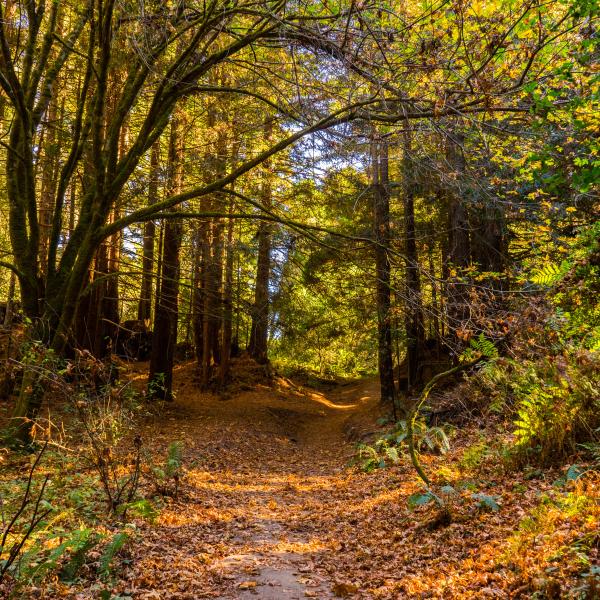
 

Yucca Trail in Gaviota State Park, California

Yucca Trail in Gaviota State Park, California.


Gaviota State Park contains a remarkable range of elevations, soils, and topography that support many different habitats. Across nearly 2,000 acres, oak woodlands, grasslands, chaparral, and coastal sage scrub give way to riparian corridors, freshwater marshes, coastal strand and dunes, and rich marine habitats along the shoreline.  

In the creek and estuary, the endangered Tidewater Goby depends on sensitive lagoon habitat, while Southern Steelhead moves between ocean and freshwater, highlighting the importance of connected watersheds. Along sandy shoreline and dune habitat, the threatened Western Snowy Plover relies on intact coastal habitat for nesting and survival. The park is also home to rare native plants, including the Gaviota Tarplant, found in limited habitat along this coast. 


Tidewater Goby Eucyclogobius newberryi

The federally endangered Tidewater Goby (Eucyclogobius newberryi), one of many sensitive and highly vulnerable wildlife species found in Gaviota State Park. | Hull, Josh/USFWS


The park is contiguous with Kashtayit State Marine Conservation Area and lies within the Santa Barbara Channel, known for exceptional biodiversity, from kelp forests and intertidal life to migratory wildlife moving through these waters. Along with nearby Refugio State Beach and El Capitán State Beach, Gaviota is part of a connected stretch of protected coastline along the Gaviota Coast. This coastline also sits within the newly designated Chumash Heritage National Marine Sanctuary, a major step toward protecting both cultural heritage and ocean ecosystems.

These connected lands and waters help show why the Gaviota Coast is both ecologically significant and deeply worth protecting, and why experiencing this landscape firsthand can be so meaningful as new threats emerge. 


Recreation Opportunities at Gaviota State Park


Gaviota State Park: https://catalog.archives.gov/id/557511

Youngsters play in the sand at Gaviota State Park, 1975. | https://catalog.archives.gov/id/557511


Gaviota State Park offers a wide range of ways to experience the coast, from quiet beach walks to more strenuous backcountry hikes. These opportunities allow visitors to connect directly with the landscapes, habitats, and wildlife that make this stretch of coastline so unique. 
 

Hiking, Trails, and Scenic Views

Miles of trails wind through the park and range from moderate walks to challenging climbs, including the trail to Gaviota Peak, where sweeping views of the Pacific Ocean, Channel Islands, and surrounding valleys can be enjoyed. Along the way, ridgelines and coastal bluffs reveal the dramatic meeting of mountains and ocean that define the Gaviota Coast. Conditions can change quickly, so come prepared. 
 

Beach Access, Fishing, and Water Activities 

At the shoreline, visitors can walk along the sandy beach, take in ocean views, and observe marine life. When open, the Gaviota Pier offers a convenient spot for fishing and coastal views. The park also provides access to the Santa Barbara Channel, supporting boating and other ways to experience the coastline from the water. 
 

Camping 

Developed campgrounds near the beach accommodate tents, trailers, and RVs, offering an easy way to stay overnight and enjoy the coast. Campsites are within walking distance of the shoreline and nearby trails. 


Gaviota Hot Springs

Gaviota Hot Springs is a geothermal feature located in the state park. 


Gaviota Hot Springs 

A hike inland leads to Gaviota Hot Springs, where small sulfur springs offer a more secluded experience beyond the main beach area. The gradual climb through the canyon rewards visitors with a quiet, more secluded setting removed from the coast below. 
 

Accessible Experiences 

While much of Gaviota’s terrain is rugged, visitors can still enjoy more accessible areas near the coast. The main beach area and campground provide relatively easy access to ocean views, with nearby parking and basic facilities. When open, the area around the Gaviota Pier offers a more level way to experience the shoreline. Accessible parking, restrooms, and campsites are available within developed areas. Learn more about the park’s accessible features. 
 

Experiencing Gaviota State Park in these ways offers a deeper appreciation for the landscapes and ecosystems that define this coast. It also highlights what is at stake as this region faces ongoing environmental pressures.  


Protecting the Gaviota Coast from the Sable Oil Pipeline Restart 


An environmental cleanup crew removes oily sand at Refugio State Beach in Santa Barbara County in May 2015 after a massive spill from a ruptured pipeline. (Los Angeles Times)

An environmental cleanup crew removes oily sand at Refugio State Beach, located next to Gaviota State Park in Santa Barbara County, in May 2015 after a massive spill from a ruptured pipeline. | Los Angeles Times


The ecological richness and diverse recreational opportunities that make Gaviota State Park so special is also part of what makes this coastline vulnerable. Today, the Gaviota Coast faces renewed concern over the proposed restart of the offshore pipeline system by Sable Offshore Corp., which runs through one of the most environmentally sensitive stretches of California’s coast near Refugio State Beach, El Capitán State Beach, and Gaviota. 

These parks support wildlife habitat, cultural resources, recreation, and connected marine and coastal ecosystems that could be put at risk by offshore oil activity and pipeline failures. 

The concern is not theoretical. In 2015, the Refugio oil spill released more than 140,000 gallons of crude oil into the ocean, contaminating miles of coastline, harming wildlife, and forcing nearby state parks to close. For many, that spill remains a stark reminder of how quickly damage can spread across this interconnected coast. 

Now, proposals to restart the pipeline have raised new questions about risk, oversight, and the future of this coastline. At stake is not only wildlife habitat and public access, but the long-term protection of a landscape shaped by biodiversity, cultural history, and generations of stewardship. 
 

That is why California State Parks Foundation is urging supporters to speak up. Add your name to help protect California’s coast and state parks by signing our petition. 


The Future of the Gaviota Coast 


Gaviota State Park


The future of the Gaviota Coast depends on continued stewardship and people speaking up when these places face new threats. We hope this look at Gaviota State Park inspires you to learn more, stay engaged with our work, and take action by signing our petition to help protect this special coastline. 

Follow California State Parks Foundation on Instagram, Facebook, LinkedIn, and Bluesky, and join our email list to stay updated on this issue and future opportunities to support California’s state parks. 


Image

Your Support Makes a Difference

We’re dedicated to ensuring California state parks are protected, well-funded, and accessible for everyone. From monitoring key legislation to addressing climate challenges and expanding recreational spaces, we work to preserve these natural treasures for generations to come. Your donation fuels this important work. Donate today and help us protect the places that matter most.

Take Action now For a Lasting Difference

Your voice and support are crucial for the immediate needs facing our state parks.

Natural Bridges Monarch
Protect Now
Protect Western Monarch Butterflies!
Santa Monica Mountains 2025
Take Action
Release Prop 4 Funding Immediately!