Explore California: Three State Parks to Discover Mushroom Season

Published: September 29, 2025

When the rains return to California, something remarkable happens in our state parks: mushrooms begin to appear. From tiny fungi hidden in the leaf litter to the iconic fly agaric (the red mushroom with white spots), these seasonal appearances showcase the incredible biodiversity in our state parks. Here are three beautiful state parks where you can experience the wonder of mushroom viewing in California.

Mushroom

Fly agaric (Amanita muscaria) at Salt Point State Park

Reminder: Foraging for mushrooms is prohibited in all California state parks except Salt Point State Park in Sonoma County. Many mushrooms have toxic look-alikes and can be dangerous to consume. The safest way to enjoy them is with your eyes and camera, and only forage with an expert when it is safe and permitted. 
 

Salt Point State Park

Coral Mushrooms

Coral Mushrooms at Salt Point State Park

Salt Point State Park is the only California state park where mushroom foraging is allowed for personal use, making it a favorite destination for experienced foragers. The park’s mix of coastal bluffs, redwood forests, and grasslands creates excellent conditions for mushrooms like chanterelles, boletes, and russulas.

Even if you aren’t foraging, Salt Point is an incredible place to see fungi in their natural habitats. Damp trails and shady groves often reveal vibrant mushrooms after winter rains.

Beyond fungi, Salt Point is also known for its dramatic sandstone tafoni rock formations, colorful tide pools, and a rare pygmy forest where trees grow in miniature due to nutrient-poor soils. Together, these features make the park a fascinating destination for anyone interested in California’s unique coastal ecology. 

Check out our video on mushroom foraging at Salt Point State Park: 

 

Armstrong Redwoods State Natural Reserve 

Apricot Jelly Mushroom

Apricot jelly mushrooms in Armstrong Redwoods State Natural Reserve 

Armstrong Redwoods State Natural Reserve offers a peaceful walk among towering coast redwoods, where moist understory conditions are perfect for spotting fungi. Local guides often lead fungus walks here, pointing out turkey tails, coral fungi, and even bioluminescent species under UV light. Because the park is a state natural reserve, all mushrooms must stay in place, making it an ideal destination for photography and learning. 

The reserve itself is a wonder to explore. Highlights include the Colonel Armstrong Tree, estimated to be over 1,400 years old, and the Pioneer Trail, which showcases the scale and beauty of old-growth redwoods. A visit to Armstrong Redwoods State Natural Reserve means not only enjoying mushroom season but also experiencing one of California’s most iconic forest ecosystems. 
 

Cuyamaca Rancho State Park 

Genus Stereum at Cuyamaca Rancho State Park

Genus Stereum at Cuyamaca Rancho State Park. Photo by Millie Basden via iNaturalist | inaturalist.org/observations/2909136.

Cuyamaca Rancho State Park showcases mushroom season in Southern California, with oak and pine forests that create microclimates for fungi after rain. Along shaded trails, you may notice mushrooms sprouting near logs or clustered in meadows, offering a glimpse of the biodiversity that thrives in this mountain landscape. 

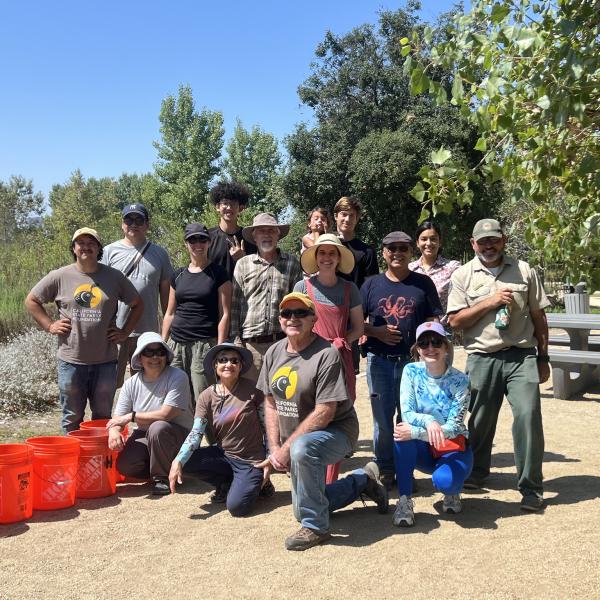
In addition to fungi, the park features sweeping mountain views, the picturesque Green Valley Falls, and popular hikes like Stonewall Peak and Cuyamaca Peak, which provide some of the best vistas in San Diego. Visitors can experience the changing seasons in Southern California, from colorful foliage to the subtle arrival of mushrooms. We also host volunteer workday events at the park, where you can give back while enjoying its natural beauty — sign up here!
 

Did You Know? California Has a State Mushroom! 

Golden Chanterelle

California Golden Chanterelle (Cantharellus californicus) in Los Osos

In 2024, California officially named the California golden chanterelle (Cantharellus californicus) as the state mushroom. This large, bright fungus is found only in California, most often beneath oak trees, and supports healthy soils and forest ecosystems. Not only is it a favorite among mushroom enthusiasts, it also highlights the biodiversity that makes California unique. Read our blog on the California golden chanterelle. 

Mushrooms

Turkey Tail Fungus (Trametes versicolo) in Salt Point State Park

Mushrooms are just one more reason to explore California’s state parks during the rainy season. From the redwoods to the coast to Southern California’s mountains, fungi can be spotted almost anywhere if you slow down and look closely. Be sure to check park conditions before your visit, stay safe on wet trails, and enjoy the incredible biodiversity of our state park system. 

Take Action now For a Lasting Difference

Your voice and support are crucial for the immediate needs facing our state parks.

Natural Bridges Monarch
Protect Now
Protect Western Monarch Butterflies!
Santa Monica Mountains 2025
Take Action
Release Prop 4 Funding Immediately!