
PRESERVING HISTORY AND CULTURE
While California State Parks is best known for protecting natural landscapes, our park system also plays a crucial role in preserving history and culture. Bringing California’s complex history to life, 52 park units have been established as historic state parks to allow visitors to discover the many cultures, leaders, and stories that shaped our state.
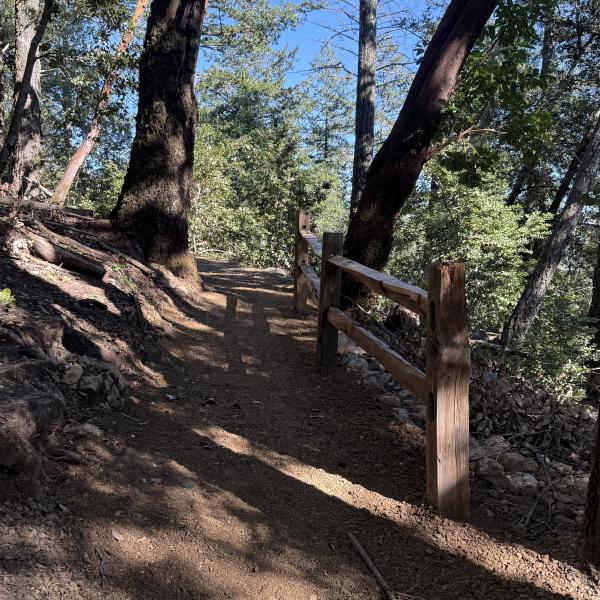
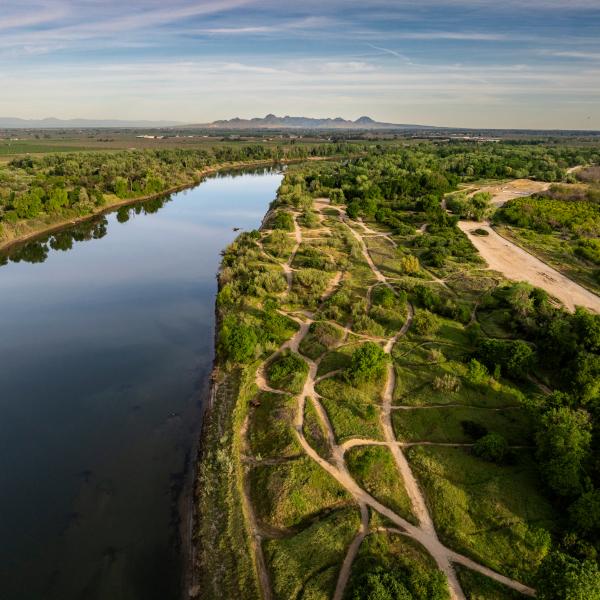
Marshall Gold Discovery State Historic Park is one of those parks that holds a multitude of stories that need to be protected and told. Tucked in the Sierra foothills along the South Fork of the American River, this land is where the Nisenan and Miwok tribes have lived for thousands of years. It is also the site where James W. Marshall found gold in 1848, which led to the unimaginable growth of the West and one of the largest human migrations in history. This area, known as ‘Cullumah’ by Indigenous peoples and now called Coloma, still holds much to discover. Historic buildings and sites remain for visitors to take a step back in time with activities such as gold panning or hiking along one of the scenic trails. Through the State’s Reexamining Our Past Initiative, park staff are currently working to bring forward stories, such as contributions of Chinese Americans and African Americans to the history of Coloma Valley, that were often overlooked.
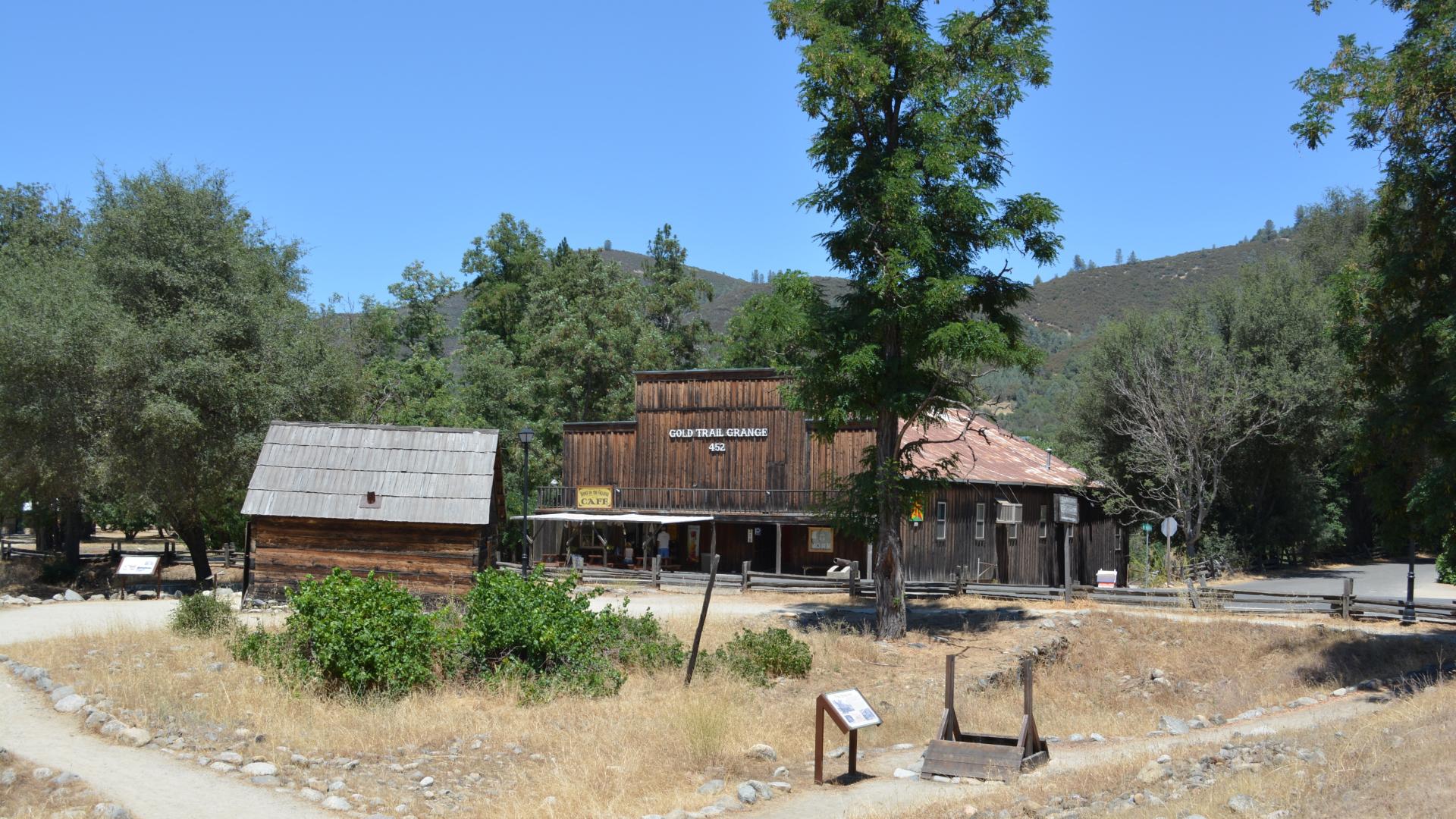
Preserving these important historical sites is an ongoing commitment continually pursued by the park and its community partners. As climate change brings rising temperatures, a dire need for fuel reduction and fire prevention has arisen. Marshall Gold Discovery State Historic Park was threatened by multiple wildfires in 2022, including the Mosquito Fire. In that same year, California State Parks Foundation granted the Gold Discovery Park Association $40,000 to hire a certified arborist to assess the historic trees and conduct trimming and management of the vegetation to provide for structure resilience, preservation, and protection. California State Parks Foundation’s Volunteer Program continues to help complete projects that are part of the park’s wildfire prevention and defensible space plan.
WHAT IS DEFENSIBLE SPACE?
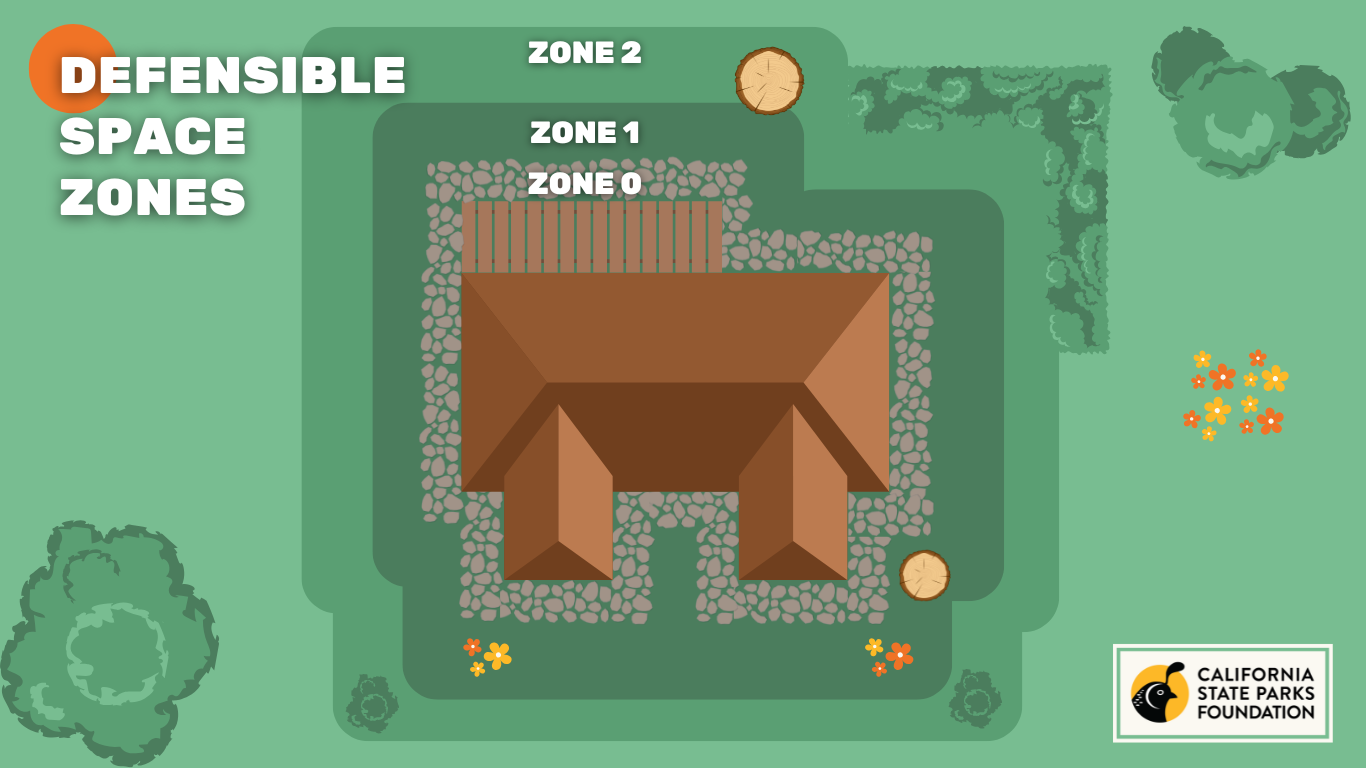
Defensible space is a buffer zone between buildings (homes, businesses, or any human-made structures) and the surrounding area that slows or completely stops the spread of wildfire. To create defensible space, you have to remove fuels, combustible materials and vegetation from around structures.
Cal Fire defines specific zones with guidelines required by law, each involving different levels of vegetation management.
- Zone 0: Extends 0–5 feet from your home, focusing on intense fuel reduction to protect against ember attacks.
- Zone 1: Extends 30 feet from buildings, structures, and decks.
- Zone 2: Extends 30– 100 feet around buildings.
Marshall Gold Discovery State Historic Park has a defensible space plan that looks to adhere to these Cal Fire recommendations as well as Public Safety Resource Code 4291, which states, “Fuels shall be maintained and spaced in a condition so that a wildfire burning under average weather conditions would be unlikely to ignite the structure.” The park will also incorporate home hardening actions (such as adding wire mesh to cover vents and installing fire-resistant roofing) to prevent embers, flames, or heat from impacting the parks’ buildings and give firefighters more time and space to defend properties if a wildfire were to occur.